

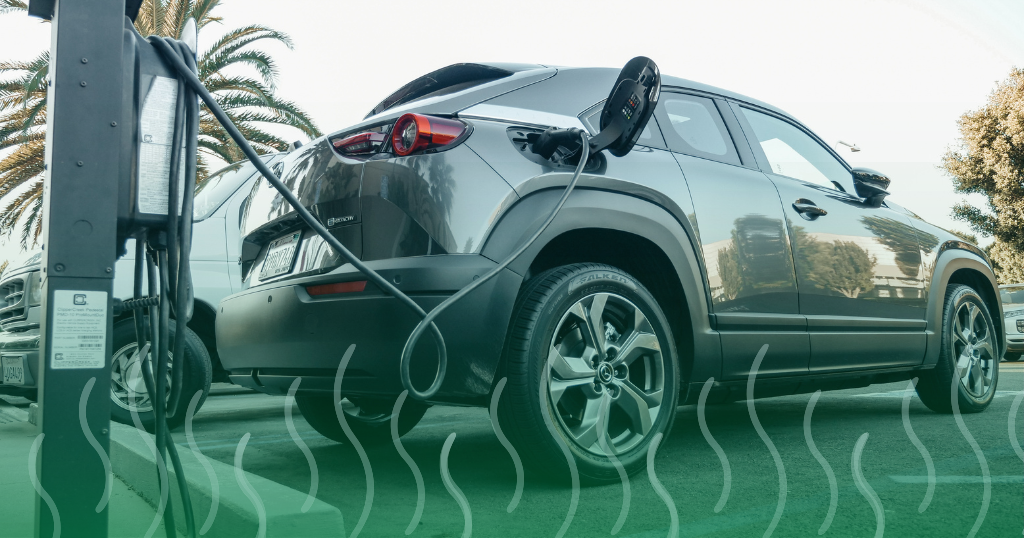
Electric vehicles are becoming increasingly mainstream, with rising fuel costs and government incentives driving stronger demand.
According to the Federal Chamber of Automotive Industries, EVs accounted for a record 16.4% of all new vehicle sales in April.
That follows a steady increase in EV supply since the introduction of the New Vehicle Efficiency Standard, alongside higher petrol prices and ongoing tax incentives.
What’s changing with EV incentives
In the recent Budget, the federal government announced changes to the Electric Car Discount.
Under the new arrangements:
- Eligible EVs costing up to $75,000 will continue receiving a full fringe benefits tax exemption if the arrangement begins before 1 April 2029.
- Eligible EVs above $75,000 will move to a permanent 25% FBT discount from 1 April 2027.
- All eligible EVs will move to the 25% discount model from 1 April 2029.
Importantly, existing arrangements will not be affected.
Why buyers are paying attention
For many households, the focus is shifting beyond purchase price. Buyers are increasingly weighing up fuel savings, running costs, tax benefits and long-term affordability.
As EV options continue expanding, more buyers are weighing up whether switching now makes financial sense.
I can help you understand the finance options available and structure a vehicle loan that fits your budget and plans.